Bootie warm-up shoes
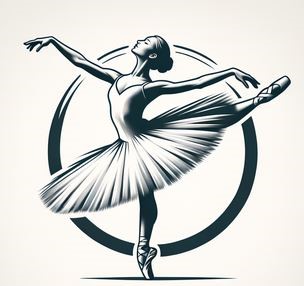
Studying at a dance conservatory is a fascinating and challenging period that shapes young dancers both physically and mentally. This process is divided into two main categories: dance and non-dance subjects. Dance subjects, such as classical dance and gymnastics, are the heart and soul of conservatory education. In the first year, students are immersed in the world of ballet, with every movement, every step and every leap having a role to play in the long journey to mastery.
Classical dance begins with students spending hours on the floor, listening to their teacher slowly and carefully explain how to hold their bodies properly. It's like building a solid foundation for a future temple of art. Posture, muscle engagement and hip extension become second nature. Gradually, students learn the basic hand and foot positions that make up the alphabet of ballet. Each element has its own meaning, its own weight, and their gradual mastery is like putting together a complex puzzle where each piece must fall precisely into place.
Hair styling is another ritual that becomes part of the students' daily lives. Hair clips, tweezers and a hair net are essentials to ensure that hair is not distracted during the demanding hours of dancing. Equally important is the attire, which includes leotards, tights, and sometimes shorts or a skirt. The class leotard, a uniform designed for all students, symbolizes unity and discipline and is essential for rehearsals and performances. This garment becomes a symbol of belonging to the dance community, much like a uniform for a soldier or a sports jersey for an athlete.
Ballet flats and toe shoes are a key part of the dance outfit. Push-ups, soft footwear that conforms to the foot, allow for flexible movement and contact with the floor. When choosing the right model, it is important that they fit perfectly, just like shoes tailored for the modern knight on the dance floor. The ballet toe, which is every ballerina's dream, represents the pinnacle of ballet mastery. The first steps on the toes are a test of courage and endurance, but also the culmination of long months of training.
Ballet warm-up booties are special shoes designed for dancers, especially ballerinas, to keep their muscles warm before and after training. They are made of lightweight, insulating materials, often with a cushioned sole for extra comfort. These shoes usually have a flexible and non-slip sole for safe movement on and off the floor. They are also worn over ballet flats or socks and are designed to be easy to put on and take off. They are popular among professional dancers and ballet students for their functionality and comfort.
It is not uncommon for conservatory students to be given the opportunity to perform in ballet performances as early as their freshman year. The Nutcracker, one of the most famous ballets, often offers the first big opportunity to step on stage. The selection of students for the performance is not only a question of technical readiness, but also of the type and height suitable for a particular role. Every student should keep in mind that failure in the first selection is not the end of the road, but just another step on the road to success.
Studying at a dance conservatory is not only about physical commitment, but also about embracing an artistic discipline that requires patience, determination and a constant desire to improve. The annual concerts are an important part of this process, where students have the opportunity to showcase what they have learned and get used to performing in front of an audience. The stage fright that often comes with this is a natural part of it, and each student must learn to work with it.
The whole process is like a journey, where every step, every fall and every success shapes not only the dancer, but also the personality. Studying at the Dance Conservatory is not only about movement, but also about understanding ourselves and the world around us, much like dance itself - an art full of emotion, passion and stories that are told without words.


We use cookies on our website.
We use cookies to personalise content and ads, to provide social media features and for marketing analyses. We also provide information about how you use our website to our social media, advertising and analytics partners. These partners may combine the relevant information with other information that you have provided to them or that they have received from you when you have used their services.
You can change your acceptance or refusal of cookies at any time. The link can be found at the bottom right of the website under "Cookies".